
Beating flu season: Nutrition & lifestyle strategies
When you get sick, you want to feel better – fast.
Maybe you start popping zinc, vitamin C, elderberry or other “immune boosting” supplements when there’s a tickle in your throat.
But supplements aren't a suit of armor. In fact, the nutrient inputs that support our immune system do their magic within the context of other healthy behaviors.
Supplements may help, but the best strategy for dodging a virus — or recovering quickly if you do get ill — is to focus on the basics.
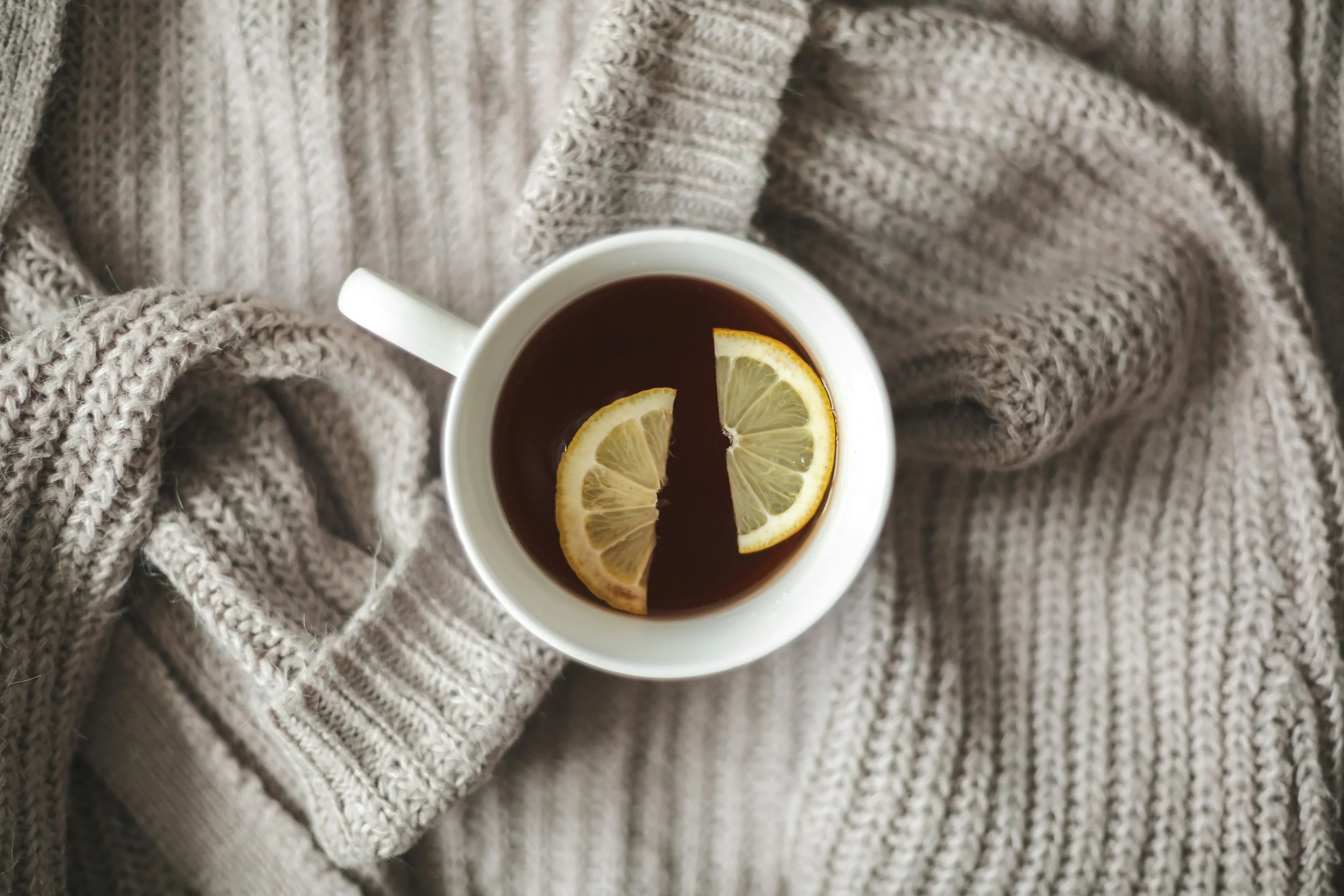
A cup of ginger, chamomile or peppermint tea is hydrating, may soothe your throat, relieve congestion and serves up antioxidants.
Are you eating nutritious foods? Drinking plenty of water? Giving yourself time to breathe, rest and sleep well? Or are you grabbing food on the run, working hard, and playing hard?
If you’re already sick, are you prioritizing healing or looking for a magic bullet to help you power through it?
When we cover the basics, we are not only fighting off germs, we are building foundations. We are building a body that can become a thriving home for long-term health.
Simple, not easy.
Let’s dive in about how to stay well through flu/Covid/cold season — and all year long.
Eat for “nutrient density”
Good nutrition may not prevent you from catching a nasty bug, but it may well lessen the severity and shorten the duration of your symptoms.
Some nutrients in food work directly to halt cold viruses and bacteria from multiplying. Others help by keeping immune cells healthy, act as antioxidants or counter inflammation.
Fill your plate with a wide range of whole foods, including healthy proteins and fats, vegetables, fruit, and nuts and seeds. Choose seasonal produce when possible — or frozen if out of season. (And try this chicken soup!)
Staying healthy doesn’t mean you can’t indulge here and there, but keep in mind that sugar and alcohol suppress immune function and feed bad actors in the gut, which impact immune function in other ways. (Plus, too much caffeine can aggravate stress and hijack sleep.)
Stay hydrated
Your body needs water for many reasons — including to digest food, boost energy, support sleep and eliminate toxins. Staying hydrated also helps prevent tiny cracks from forming in your mucus membranes, where viruses can sneak in.
Filtered water, mineral water and herbal teas are great sources of fluids, as are fruits, vegetables and soups. (Calculate your water needs.) Consider electrolytes if you’re losing fluids with a fever.
Nurture your gut health (ground zero for your immune system)
Roughly 70-80% of your immune system resides in your gut! So when we nurture a healthy gut, our immune system comes along for the ride.
Focus on eating a diverse range of plant foods each week. More specifically…
Eat the rainbow: Aim for 30 different plant varieties per week. Think veggies, fruit, legumes, nuts, seeds & whole grains.
Fermented foods: Eat sauerkraut, kimchi, yogurt or kefir daily. You don’t need much to help maintain a balance of gut flora.
Prioritize polyphenols: The red and purple pigments in berries, pomegranate seeds, red cabbage, purple carrots, and other fruits and veggies are food for healthy gut bacteria.
Limit refined sugars: High sugar intake can "paralyze" white blood cells for several hours, leaving a window of vulnerability. Plus, sugar feeds “bad bacteria” in the gut.
Go big on bone broth: Rich in glycine and glutamine, bone broth helps repair the respiratory tract and intestinal lining. Sip it with a dash of salt or use it as base for soups.

This salad is rich in immune-supportive zinc (seafood, seeds), vitamin C (bell peppers & other veggies), EPA & DHA (seafood), and others.
Focus on immune all-stars
The nutrients below have been studied for their roles in immune health.
Whole, fresh foods are the best source of nutrients — our bodies absorb them better. But concentrated doses of specific vitamins, minerals and other nutrients may help you feel better, especially when taken at the first sign of symptoms.
The vitamins I recommend to clients depend on their current diet and individual health factors. Check with your doctor before starting new supplements. And If you have an autoimmune condition (ie. celiac disease, psoriasis, rheumatoid arthritis, and others) your body’s immune system may be in overdrive. And immune-supportive nutrients may be contraindicated.
Food sources of key nutrients involved with immune health are spread throughout a nutritious diet. These include:
Zinc: Oysters and other seafood, beef, lamb, lentils, quinoa, pumpkin seeds, cashews, and chickpeas
Vitamin A: Beef, lamb, poultry; carotenoids (precursors to vitaminA) include red, orange & yellow veggies such as carrots, bell peppers and butternut squash, and leafy greens
B Vitamins (i.e. folate, B6, B12): Fish, meats, eggs, sweet potato, potato, lentils, avocado, spinach, sunflower seeds, asparagus
Vitamin C: Papaya, bell pepper, broccoli, strawberries, Brussels sprouts, cantaloupe
Vitamin D: This is a standout! Only small amounts occur in food, such as wild salmon, sardines, milk, eggs, and cod liver oil. Sunshine and/or supplementation are the way to go.
Vitamin E: Almonds, sunflower seeds, dark leafy greens, avocado, sweet potato, butternut squash, olive oil
EPA & DHA (omega-3 fats): Wild salmon, sardines and other cold-water fish, cod liver oil, pasture-raised beef & eggs
Probiotics: Yogurt & kefir, fermented vegetables i.e. sauerkraut and kimchi, miso soup
Garlic: Garlic contains allicin, a potenta antimicrobial compound, that reaches its full potential if you let minced or crushed garlic sit 10 minute before using it in a salad dressing or other foods. (Unfortunately, allicin is degraded by heat)
Ginger: A powerful anti-inflammatory and also anti-microbial, ginger may help relieve congestion and improves circulation (helping immune cells travel faster!). It’s also my go-to for making a quick tea to ease nausea or stomach upset.
“The nutrient inputs that support our immune system
do their magic within the context
of other healthy behaviors.”
Exercise for immune health
Exercise has well-researched benefits for supporting immune function, including that moderate-intensity exercise may reduce upper respiratory tract infections. As well, exercise can help us to reduce stress and get a better night’s sleep.
However, if you’re already sick, listen to your body before launching into your regular workout. High-intensity exercise may dampen immunity, especially when stress is high and sleep is lacking.
Chill out, body & mind
When I get sick, usually I’ve had some extra stress in the weeks prior or I’m lacking in sleep — or both.
Stress hormones can disrupt sleep, and both stress and poor sleep can lower our immune defenses.
But, please don’t be stressed about your stress or your lack of sleep! This can snowball quickly.
Take a deep breath, and then…
Commit to one or a few helpful strategies that support sleep and stress. A few ideas:
Meditate
Read a book
Do some deep breathing
Exercise
Go outdoors
Listen to music
Make time for things you enjoy alone or with others
Do what makes you laugh
And select a few nutrition tips above to help you round out your meals to help foster immune health.
I can help you create a delicious, immune-supportive diet, and guide you through healthy habit changes that help keep you well — all year long.
